

One-in, one-out rhythm
Keep volume stable: when something new arrives, something similar leaves. This prevents “storage creep” in closets and drawers.
Practical layouts for desks, storage, and whole rooms—built around clarity, not catalog perfection.

Signal vs. noise
Your environment sends constant micro-signals. When surfaces compete for attention, your brain keeps “tabbing” between objects—similar to switching apps too often.
Glavionix treats organization as attention design: fewer decisions at the moment of work, clearer boundaries between rest and productivity.
Systems beat motivation because they reduce ambiguity. Start with containers you already own, then refine labels and placement.
Keep volume stable: when something new arrives, something similar leaves. This prevents “storage creep” in closets and drawers.

Put daily items between elbow and eye level. Seasonal items go high or low.
Group small tasks (mail, cables, receipts) into weekly 20-minute batches instead of daily fragments.
Labels are for future-you. Use plain language, not clever names you will not remember.
Tie a 5-minute tidy to an existing habit: after dinner, after meetings, or before logging off.
Organization is not about empty minimalism—it is about intentional fullness. These examples show how editing surfaces and routing storage changes the feel of a space.
Before
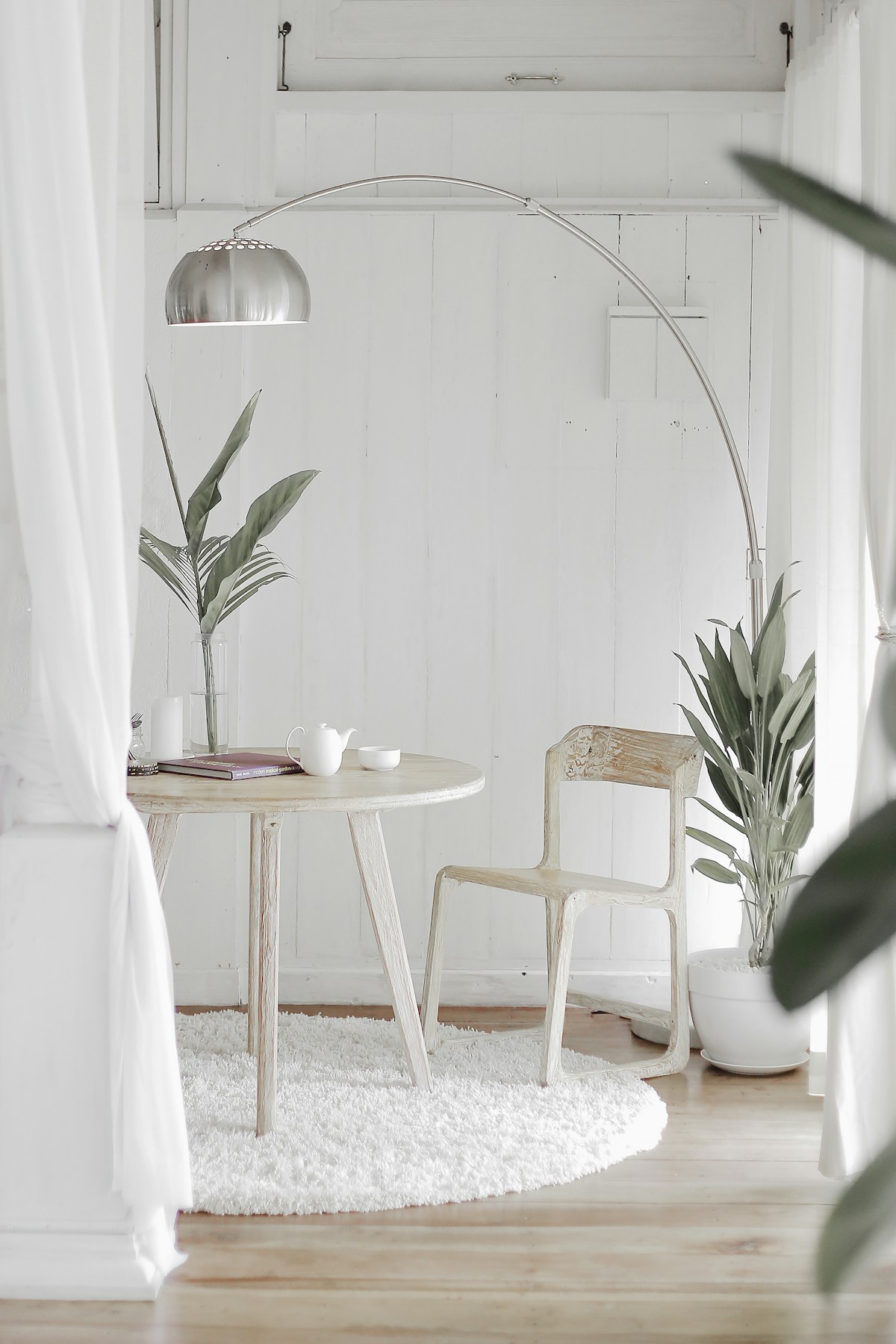
After
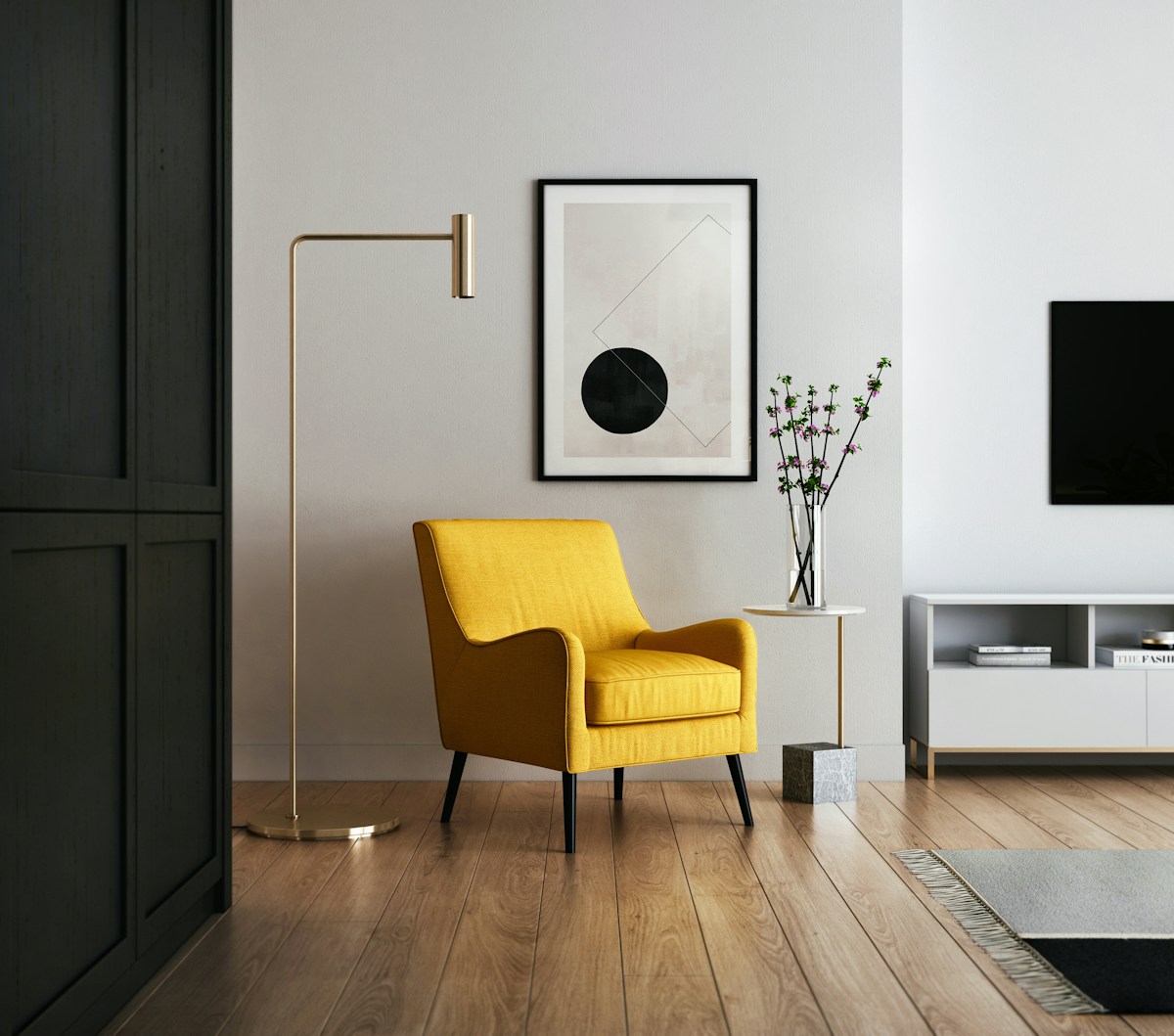
Build around light, cable discipline, and a single “hot zone” for active work. The gallery below mixes desk scenes and storage moments—borrow one idea, not the whole look.

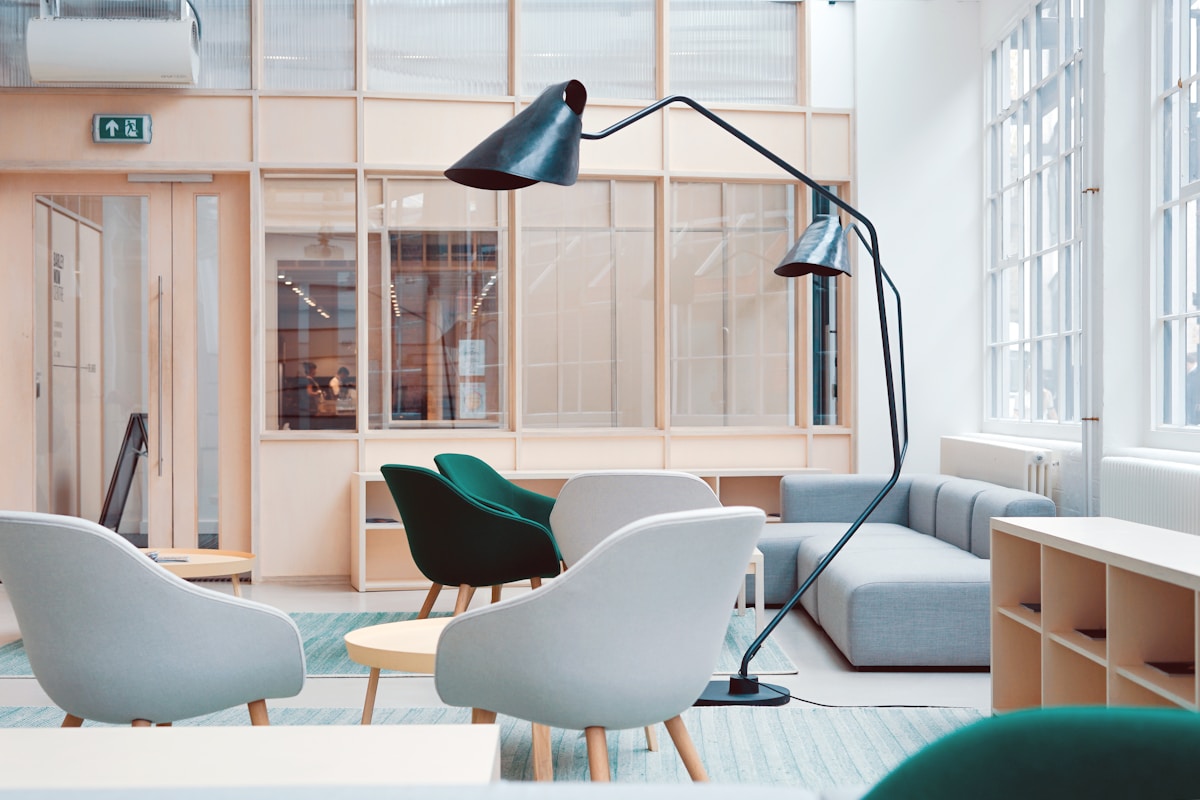
Structure is the bridge between a tidy room and a sustainable week. These are starter templates—adjust to your energy, not an influencer schedule.

Ready to map your space with intention?
Tell us what you are working with—we will help you prioritize quick wins.
Contact Glavionix